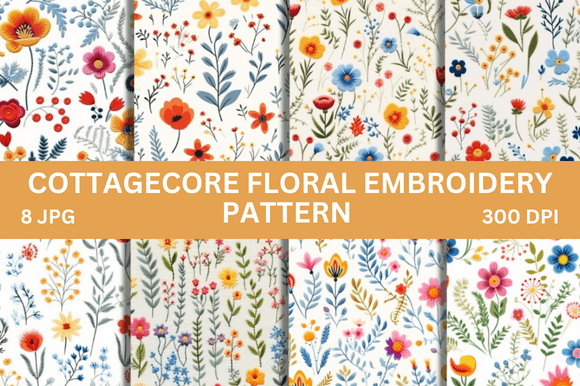
Cottagecore Floral Embroidery Pattern Review
As an experienced embroidery designer who spends weekends setting up booths at craft fairs and managing a busy handmade shop, I know that the difference between a display that gathers dust and one that sells out often comes down to the specific design assets you choose. Recently, I came across the Cottagecore Floral Embroidery Pattern, a digital collection described as containing eight JPGs perfect for scrapbooking, cards, parties, and paper goods. While the description highlights its use in digital paper formats, my immediate instinct was to look past the "digital paper" label and see how this pattern performs when translated into physical, tangible goods for a market stall.
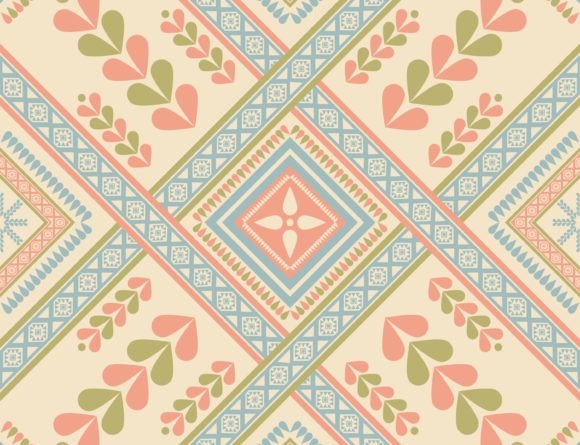
The Cottagecore aesthetic has been a dominant force in the handmade community for years, but it is evolving. It is no longer just about rustic simplicity; it is about creating a sense of nostalgia, softness, and romanticized rural life. When I first analyzed the visual language of the Cottagecore Floral Embroidery Pattern, the first impression was undeniably soft and decorative. The floral motifs suggest a vintage charm that feels both elegant and approachable. For a booth display, this mood is critical because it immediately evokes a feeling of comfort and quality. Customers browsing a table full of generic prints will stop when they see something that feels curated and story-driven. This pattern offers exactly that narrative potential.
From Digital File to Physical Product
The primary question any seller must ask is: How does this translate from a screen to a tote bag or a tea towel? The product listing mentions these are JPG files intended for decoration and backgrounds. However, for a commercial embroidery business, we need to think about how these graphics function as machine embroidery designs. If these images can be digitized or used as reference art for high-quality stitching, their value skyrockets.
I envision the Cottagecore Floral Embroidery Pattern performing exceptionally well on kitchen linens. A set of embroidered tea towels featuring these florals would sit perfectly in a boutique's home section. The soft nature of the flowers contrasts beautifully with the texture of linen or cotton canvas, creating a tactile experience that online shoppers cannot replicate. Similarly, for apron embroidery, these designs offer a focal point that doesn't overwhelm the garment. They allow the wearer to feel like part of a cozy, domestic scene without looking costumey.
When considering smaller items like embroidered patches or caps, the versatility of the pattern becomes even more apparent. Patches made from this design serve as excellent add-on sales at a craft fair. A customer buying a tote bag might easily add a matching patch for a few dollars more. For caps, the floral elements could work well as a small accent on the side or a larger focal piece on the front, provided the digitization respects the curve of the hat. The key here is that the pattern feels repeatable. In a batch production environment, having a cohesive set of floral assets allows you to create a unified line of products—pillow covers, pouches, and market bags—that all tell the same brand story.
Photography and Online Listings
In today's market, your Etsy listing or social media post is your storefront. The Cottagecore Floral Embroidery Pattern photographs incredibly well. The floral details provide natural depth and color variation that catches the light, making them ideal for close-up shots that highlight stitch density and thread colors. For an Etsy seller, having a library of design assets like this allows you to create diverse printable mockups without needing expensive photoshoots every time. You can visualize the pattern on different fabric textures, showing customers how the design adapts to dark fabrics versus light linens.
However, there is a caveat regarding the file format. Since the product is described as digital paper (JPGs), it is not inherently an embroidery file ready for a machine. As a designer, I would advise checking if these images include vector paths or if they require manual tracing and digitizing. If you are using them as inspiration for custom digitizing, ensure the stitch density is appropriate for the final fabric. Dense areas in the floral centers might cause puckering on lightweight materials unless the right stabilizer is used. Conversely, if the design is too simple, it may lack the richness required for a premium finished product.
Practical Production Notes for Sellers
Before turning this pattern into a revenue stream, practical testing is non-negotiable. I always recommend starting with a test run on scrap fabric to check how the design holds up. Pay close attention to the spacing; a small shop product needs to look professional even when stitched quickly. If the Cottagecore Floral Embroidery Pattern includes tiny details or fine lines, verify that these will not get lost in the fabric texture. Textured towels, for instance, can sometimes obscure intricate stitching, so a bold version of the design might be better suited for those surfaces.
Fabric choice is another critical factor. Dark fabrics can make light floral threads disappear, while very thick fabrics might require a longer needle or a heavier stabilizer to prevent the design from sinking. Always confirm the hoop size requirements relative to the design dimensions. If you plan to sell these as commercial embroidery products, you must also review the licensing terms carefully. Just because the description says "perfect for creative projects" does not automatically grant permission to resell finished goods made from the pattern. Ensure you have the correct commercial license before putting items on your shelf.
For booth displays, the visual appeal of this pattern can drive significant buyer engagement. A table draped with items featuring the same floral motif creates a strong visual anchor. Customers are drawn to consistency; seeing a tote bag, a pillow, and a patch all sharing the same thread colors and style reinforces the idea of a curated collection rather than a random assortment of goods. This perception of quality allows you to command higher prices for your handmade product.
Maximizing Sales Potential
To truly leverage the Cottagecore Floral Embroidery Pattern, consider creating a "bundle" strategy. Offer a matching set of a tea towel and a matching pouch. The repeatable nature of the floral elements makes this easy to execute. For those selling to other creators, these JPGs could serve as excellent reference material for designing custom patterns or for creating digital printables for crafters who prefer printing over stitching.
Ultimately, the success of this pattern depends on execution. If you take the time to digitize it correctly, choose the right stabilizers, and present it in a cohesive booth display, it has the potential to become a bestseller. The Cottagecore trend is enduring because it speaks to a desire for beauty and slowness in a fast-paced world. By bringing this aesthetic to life through embroidery, you are not just selling a product; you are selling a moment of peace. Whether you are a seasoned veteran or a new creative entrepreneur, ensuring your embroidery file translates the softness of the original design into durable, wearable art is the key to long-term success.
Remember to inspect your final pieces for any loose threads or tension issues before they reach the customer. A single flaw can detract from the premium feel of the Cottagecore Floral Embroidery Pattern. But when done right, the result is a collection of items that customers will cherish, display proudly, and return to your booth to buy again.