Crown Application Embroidery Review
As a professional embroidery designer who has spent years refining digital files for commercial production, I approach every new asset with a critical eye. Today, I am reviewing the Crown Application Embroidery design to determine its viability for small business merchandise and branded patch use. While the product description markets this specifically as "a crown for your little princess," the potential utility extends far beyond children's apparel. For boutique owners, Etsy sellers, and apparel decorators looking to elevate their brand identity, understanding the nuances of this machine embroidery design is crucial before committing to mass production.
First Impressions and Visual Personality
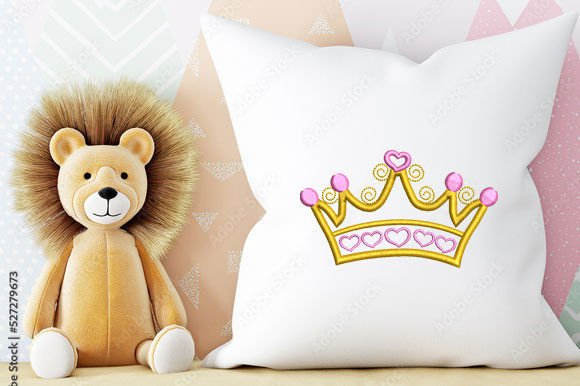
The initial assessment of Crown Application Embroidery reveals a design that balances playful elegance with a classic aesthetic. The title suggests royalty and charm, which translates well into visual branding for businesses targeting families, gift shops, or creative studios. Unlike stark, modern geometric logos, this design offers a softer, more decorative appeal. It feels premium yet accessible, making it an excellent candidate for handmade products where a touch of whimsy adds perceived value.
However, the marketing categorization under "Boys" presents an immediate contradiction given the description explicitly mentions "little princess." This discrepancy highlights the importance of verifying metadata in digital embroidery files. For a small business owner, consistency in product data is vital for SEO and customer trust. If you are sourcing this design for a unisex line or a specific gendered collection, you must ensure the file aligns with your actual inventory strategy. Despite this labeling confusion, the visual core of the crown remains versatile enough to serve as a focal point for various branding applications.
Real-World Business Applications
When evaluating Crown Application Embroidery for real-world scenarios, we must look beyond simple decoration. Imagine a local café or a boutique bakery wanting to create a cohesive brand experience. This design could function beautifully as a chest logo accent on staff aprons, signaling a standard of quality and care. The regal motif subtly communicates excellence without being overly aggressive, fitting perfectly for brands that want to project a welcoming yet professional atmosphere.
- Embroidered Patches: The design's structure makes it ideal for creating iron-on or sew-on patches. These can be applied to denim jackets, tote bags, or even pet accessories for a florist or pet brand. A high-quality patch elevates the item from a commodity to a collectible piece of small business merch.
- Custom Apparel: For event merch or corporate gifts, placing this design on the sleeve or back collar of work shirts adds a unique signature. It transforms a generic uniform into a branded asset that employees might actually want to wear off the clock.
- Tote Bag Design: Tote bags are a staple for crafters and market vendors. A central crown application serves as a powerful brand mark that stands out against canvas textures, reinforcing recognition every time the bag is used in public.
- Product Packaging Accents: Consider stitching this onto the flaps of custom boxes or the tags of handmade goods. It adds a tactile layer of luxury that digital printing simply cannot replicate, enhancing the unboxing experience for online shoppers.
Strategic Limitations and Careful Use
While the design holds promise, an experienced designer knows that not all files perform equally across all substrates. There are specific areas where Crown Application Embroidery requires careful consideration to avoid production failures. First, stitch density is a critical factor. If the design contains intricate details within the crown jewels, attempting to scale it down for a tiny pocket patch may result in thread bunching or loss of definition.
Curved surfaces, such as the front panels of caps, present another challenge. Unless the digitizing accounts for significant curvature compensation, the design may pucker or distort when stitched on a rounded form. Additionally, textured fabrics like heavy wool or loose-weave linen can obscure fine outlines. In these cases, the design might appear muddy rather than crisp. Dark uniforms also require a review of the underlay and topstitch coverage; if the thread colors do not provide sufficient contrast against the background fabric, the royal motif will vanish into the textile.
Frequent washing is another practical concern. Designs intended for items that undergo industrial laundering need robust construction. If the file lacks adequate stabilizer support in the digitizing, the stitches may pull out over time, damaging the reputation of the brand associated with the garment.
Impact on Brand Identity and Customer Trust
In the competitive landscape of commercial embroidery, the quality of your design assets directly influences customer perception. A poorly executed stitch job can undermine years of building a trustworthy brand image. Conversely, a clean, well-placed application of Crown Application Embroidery signals attention to detail. It tells the customer that the business values craftsmanship.
This design supports a narrative of exclusivity and care. When a customer sees a high-quality embroidered crown on a tote bag or a child's t-shirt, they associate those positive feelings with the brand itself. This emotional connection drives engagement and repeat purchases. However, this only works if the execution is flawless. Consistency in thread colors and placement across different batches is essential to maintain a professional appearance. Any variation in the finished product can confuse buyers and dilute the brand's visual identity.
Practical Designer Notes for Production
Before integrating this design into your production workflow, there are several technical steps every embroiderer should take. First, always test the file in black and white. This removes the distraction of color choices and allows you to evaluate the stitch path, density, and overall shape integrity. If the design looks weak in monochrome, adding color will not fix it.
Check the spacing and confirm the hoop size requirements. Ensure that the design fits comfortably within your available hoop dimensions without requiring excessive trimming. Inspect the file for proper underlay stitches, which are crucial for preventing puckering on stretchy fabrics like t-shirts or knit blends. Using the correct stabilizer is non-negotiable; match the weight of the stabilizer to the fabric type to ensure the final product lies flat.
Create a printable mockup for client approval before running a full production batch. This allows stakeholders to visualize the design on the actual product and catch any sizing issues early. Compare this design alongside other design assets in your library to ensure it complements your existing brand elements rather than clashing with them. Finally, verify the commercial licensing terms. Many digital embroidery files are restricted to personal use; using them for resale without the proper license can lead to legal complications.
Remember to check the specific file format and stitch count provided by the vendor. Without exact data on the embroidery file specifications, you cannot guarantee compatibility with your specific machine setup. If the details regarding the number of stitches or recommended needle types are missing, contact the creator or request a sample run to validate performance.
Ultimately, Crown Application Embroidery offers a charming and versatile option for small business owners looking to add a touch of regality to their offerings. By approaching it with a strategic mindset and adhering to strict quality control measures, you can transform a simple digital file into a powerful tool for brand growth. Whether used on a cap, a tote bag, or a framed art piece, the key lies in the execution. Treat every stitch as a reflection of your business's commitment to excellence, and your customers will notice.