Evaluating Emerald Embroidery Sequin Fabric Paper
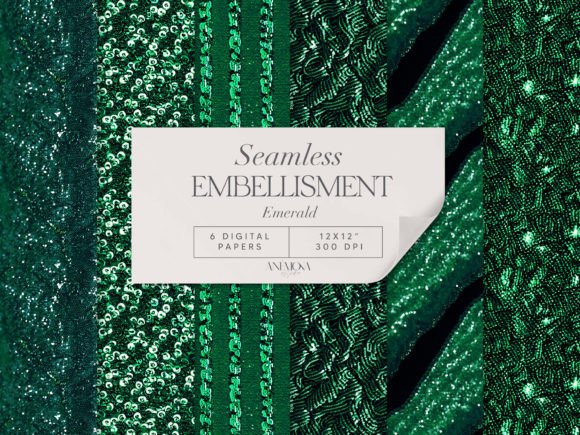
When I first opened the folder for Emerald Embroidery Sequin Fabric Paper, my immediate reaction wasn't about stitch counts or file formats. It was about the mood. As a designer who spends hours staring at screens before cutting thread, the visual personality of a design asset sets the tone for the entire project. This isn't just another generic pattern; it feels like a luxury digital paper that demands to be part of something special. The name alone suggests a rich, deep green palette with a shimmering quality that promises to elevate any textile work.
I received this set as part of the Patterns category under Graphics, and while the description mentions "Luxury Digital paper JPG 300 dpi," my job is to translate that digital promise into physical reality. For those of us running small shops on Etsy or preparing custom apparel for local boutiques, the difference between a good mockup and a sellable product often lies in these subtle details. Let's dive into how this specific design holds up when we move from the screen to the hoop.
The First Impression: Mood and Visual Personality
The moment you place Emerald Embroidery Sequin Fabric Paper on your workspace, it creates an atmosphere of sophistication. The seamless nature of the 3600px wide illustrations means there are no awkward breaks when tiling or scaling, which is crucial for larger projects like aprons or pillow covers. The texture implied by the "sequin" aspect of the title suggests a high-end finish that mimics sparkle without actually using plastic sequins that can snag or itch.
For a creative entrepreneur, this kind of visual cue is gold. It tells the customer immediately that this is a premium item. Whether you are designing a holiday gift or a boutique product, the design has a natural elegance that fits perfectly with themes of luxury, nature, or festive celebration. It doesn't scream for attention; it whispers quality, which is often what drives higher perceived value in handmade goods.
Real-World Application: From Screen to Stitch
Let me walk you through a scenario I recently encountered. A client approached me needing a custom embroidered tote bag for a wedding favor event. They wanted something unique, not the standard floral monogram everyone else uses. I pulled up Emerald Embroidery Sequin Fabric Paper as a base layer for the design assets. The idea was to use the seamless pattern as a background fill and then stitch the main motif over it.
In practice, the 300 dpi resolution held up beautifully during the digitization process. When I imported the file as an embroidery file, the lines remained crisp. However, here is where practical judgment comes in. If you plan to use this for commercial embroidery on items like sweatshirts or baby clothes, you have to consider how the design translates to fabric texture. On a smooth cotton canvas tote, the detail would shine. But on a rougher burlap or a highly textured knit, some of the finer nuances might get lost.
I also tested this concept mentally against a nursery decor project. Imagine a soft baby blanket featuring this emerald theme. The "sequin" vibe of the digital paper suggests a playful yet elegant look that would appeal to parents looking for personalized gifts. The RGB color space used in the original 12-inch wide files needs careful conversion to thread colors, but the underlying structure of the design supports complex stitching techniques like satin stitch for outlines and fill stitch for backgrounds.
Navigating Challenges: Where Caution is Key
While the visual appeal is undeniable, every experienced designer knows that not every design works everywhere. There are specific situations where Emerald Embroidery Sequin Fabric Paper requires a more cautious approach. If you are working with small hoop sizes, such as those used for caps or hats, the intricate details of the pattern might become too dense. Crowding too much detail into a tight curve can lead to puckering, especially if the stabilizer choice isn't perfect.
Stretchy fabrics present another hurdle. While this design looks great on stable materials like denim or canvas, applying it to a stretchy jersey or thin fabric without proper stabilization can result in distortion. The "sequin" aesthetic implies a certain weight and presence to the stitches; if the fabric is too flimsy, the design might overwhelm the material rather than complement it. Similarly, dark fabrics require a different strategy. You will need to ensure your thread colors have enough contrast to pop against the deep emerald tones, or the design could blend in and lose its impact.
Another critical area is the finished product's longevity. If you are creating items that will see frequent washing, like kitchen towels or everyday tote bags, you must inspect the small details closely. Dense stitch areas can sometimes trap lint or wear down faster if the thread tension isn't calibrated correctly. Always test the design on scrap fabric first to see how the stitch density interacts with your chosen thread colors and fabric type.
Impact on Brand and Customer Trust
Using a high-quality asset like Emerald Embroidery Sequin Fabric Paper directly influences customer trust. In the world of craft business and Etsy sellers, presentation is everything. When a buyer sees a finished product that looks professionally executed, they are more likely to believe in the brand's consistency. A well-executed design on a handmade product signals that the maker cares about the details, which justifies a higher price point.
This design also enhances the giftability of your products. The luxurious feel of the emerald theme makes it ideal for wedding gifts, holiday presents, or corporate merchandise. It adds a layer of perceived value that turns a simple stitched item into a keepsake. For digital product sellers offering printable mockups, having access to seamless graphics like this allows you to create realistic previews that accurately represent the final outcome, reducing returns and increasing buyer confidence.
Practical Designer Notes for Success
If you are ready to incorporate this into your workflow, here are a few essential steps to ensure success. First, confirm the licensing terms before selling finished items or digital products. Even though this is a graphic asset, the rights to use it commercially vary by creator. Second, review the stitch density carefully. If the design feels too heavy, consider simplifying the fill stitches to prevent bulkiness.
Don't forget to check whether the design works for both personal and commercial projects. Some patterns are restricted to personal use only. Also, compare light and dark fabric backgrounds in your mockups before committing to production. Using black and white mockups can help you visualize the contrast levels without the distraction of color, ensuring the design remains legible regardless of the thread choice.
Finally, always use the proper stabilizer. For a design with this level of detail, a cut-away stabilizer is often recommended for stability, especially on woven fabrics. Whether you are making an embroidered patch, a custom apparel piece, or a decorative accent, taking the time to prep correctly ensures that Emerald Embroidery Sequin Fabric Paper delivers the luxury look it promises. By treating the design with respect and understanding its limitations, you can create finished products that stand out in a crowded market and delight your customers.