Holiday Circle Embroidery Magic Review
As a professional embroidery designer who has spent years turning digital concepts into tactile, high-quality finished products, I approach every new file download with a mix of excitement and skepticism. When I first encountered Holiday Circle Embroidery Magic on Creative Fabrica, my initial reaction was one of curiosity regarding its potential for seasonal collections. However, before diving into the creative possibilities, there is a critical piece of information that every crafter and small business owner must address immediately.
The product description explicitly states: "To effectively use this file, a thorough understanding of sublimation is essential." This is not a standard warning to ignore. If you are looking for a traditional machine embroidery design to stitch directly onto fabric using your home or commercial hoop machine, you need to stop and verify the file type. This specific listing falls under the Graphics category within Crafts, which often implies a raster image, vector graphic, or a print-ready file rather than a native .pes, .dst, or .emb embroidery file. For those seeking a true machine embroidery design with defined stitch types like satin or fill stitches, this might be a mismatch unless you have a specific workflow in mind involving sublimation transfer.
Clarifying the Workflow: Sublimation vs. Direct Stitching
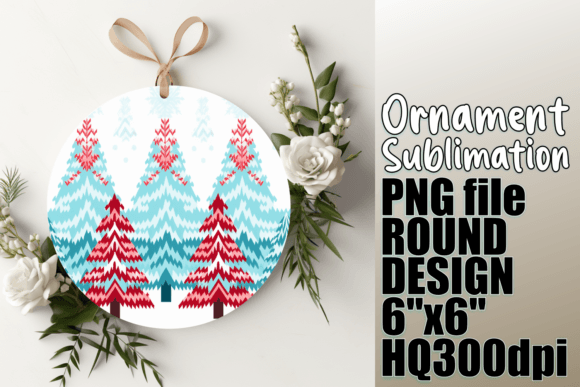
The phrase "thorough understanding of sublimation" changes the entire context of how we should view Holiday Circle Embroidery Magic. In the world of handmade goods, sublimation is a printing process where heat transfers dye onto synthetic fabrics. It is distinct from stitching. If this file is intended for sublimation, it is likely a high-resolution graphic meant to be printed on transfer paper and then heat-pressed onto polyester items like tote bags, aprons, or mugs.
For an embroidery designer, this distinction is vital. You cannot feed a sublimation graphic directly into an embroidery digitizing software and expect it to stitch out perfectly without significant conversion work. If you intend to use this for custom apparel or commercial embroidery, you must confirm whether the seller provides the actual digitized file or if they are selling a visual asset that requires you to digitize it yourself. The description notes that the creator "can't assist with the process," which means the burden of technical execution falls entirely on you. Before purchasing, ensure you have the requisite software and equipment. If you do not have experience with sublimation, this product may not deliver the results you expect for a real project.
Visual Appeal and Design Potential
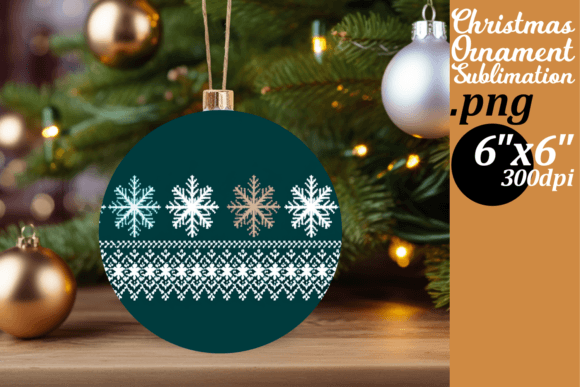
Assuming you have the necessary skills for sublimation or plan to use this as a base for a custom digitizing project, let's look at the artistic merit of Holiday Circle Embroidery Magic. From a visual standpoint, circular motifs are incredibly versatile. They naturally draw the eye and work exceptionally well on rounded surfaces like caps or curved areas of sweatshirts. The "Holiday" theme suggests a festive mood, likely featuring wreaths, ornaments, or seasonal typography that fits perfectly into end-of-year collections.
If used correctly, such a design can elevate the perceived value of a handmade product. A well-executed holiday graphic on a kitchen towel or pillow cover can become a best-selling item on Etsy. The clean lines of a circle design allow for easy integration into various layouts, making it suitable for personalized gifts where names or dates might be added around the central motif. However, because this appears to be a graphic asset, the "stitch personality" depends entirely on how you choose to interpret it. If you are converting this into a true embroidery file, you will need to decide how to handle the details. Will you use satin stitch for outlines to give it a crisp, professional look? Or will you use fill stitch to create texture?
Practical Application in Real Projects
Let's imagine a scenario where you are preparing for a craft fair or fulfilling a rush order for a boutique client. You want to create a cohesive line of holiday merchandise. If Holiday Circle Embroidery Magic is used as a printable mockup or a sublimation transfer, it offers speed and consistency. You can produce dozens of identical tote bag designs or kitchen towels without the time investment required for manual stitching.
However, if your goal is authentic embroidered patches or textured sweatshirt embroidery, the limitations become apparent. Sublimation prints sit on top of the fabric and lack the tactile depth of thread. For customers who value the "handmade" feel, nothing beats the raised texture of actual stitching. If you are selling apparel decorators services, mixing sublimation graphics with embroidered elements can create a unique hybrid look, but it requires advanced planning.
When considering the durability of the final product, sublimation is generally very durable on polyester, but it does not breathe as well as thread. For baby blankets or items that require frequent washing, traditional machine embroidery is often preferred by parents for its longevity and softness. If you choose to use this file for a pillow cover or nursery decor, ensure the fabric choice aligns with the sublimation requirements. Cotton blends may not hold the sublimated image as vibrantly as 100% polyester.
Navigating Technical Challenges
Even with the right equipment, working with complex designs like Holiday Circle Embroidery Magic presents challenges. If you are converting this graphic into an embroidery file, pay close attention to stitch density. Circles filled with dense stitches can cause puckering, especially on lightweight fabrics. You must test on scrap fabric to see how the material reacts to the tension of the threads.
Another critical factor is the hoop size. A large circular design might exceed the capacity of a standard 4x4 inch hoop, requiring multiple hooping operations (multi-hoop) or a larger commercial machine. This adds complexity to the production process and increases the risk of misalignment. If the design includes tiny lettering or intricate details, check the minimum stitch count. Small details often get lost when stitched on curved surfaces like caps or when the fabric stretches during the sewing process.
Thread color contrast is another area where careful planning is needed. A design that looks great on a computer screen might disappear against a dark background if the wrong thread colors are chosen. Always review light and dark fabric mockups before committing to a full production run. Using proper stabilizer is non-negotiable; it prevents the fabric from shifting and ensures the design maintains its shape. Without the correct stabilizer, even the most beautiful design can end up distorted.
Impact on Brand and Customer Trust
In the competitive world of Etsy listings and craft fair products, presentation is everything. Using a high-quality design like Holiday Circle Embroidery Magic can significantly boost visual appeal and brand consistency. Customers are drawn to cohesive collections where the aesthetic matches across different products, from aprons to gift boxes.
However, trust is built on transparency. If you market a product as "hand-embroidered" but it is actually a sublimated print based on a graphic file, you risk damaging your reputation. Honesty about the production method is key to maintaining long-term customer engagement. If you are using this as a digital embroidery file to digitize yourself, emphasize the custom nature of the work. If you are using it for sublimation, highlight the vibrant colors and precision of the print.
Ultimately, the value of Holiday Circle Embroidery Magic lies in how you utilize it. For a creative entrepreneur with the right tools, it can be a powerful asset for creating seasonal inventory quickly. For those looking for a plug-and-play embroidery file for their stitching machine, this product requires further investigation. Always read the product details and licensing terms on the Creative Fabrica page to understand exactly what you are buying. Confirm the file format, check the recommended usage, and ensure you have the skills to execute the vision.
Whether you are designing for small business owners, digital product sellers, or simply crafting for family, the decision to use this asset should be made with eyes wide open. Take the time to test, experiment, and refine your process. By doing so, you ensure that your final product reflects the quality and care that defines true craftsmanship.