Ikat Hipster Paisley Embroidery: A Designer's Review
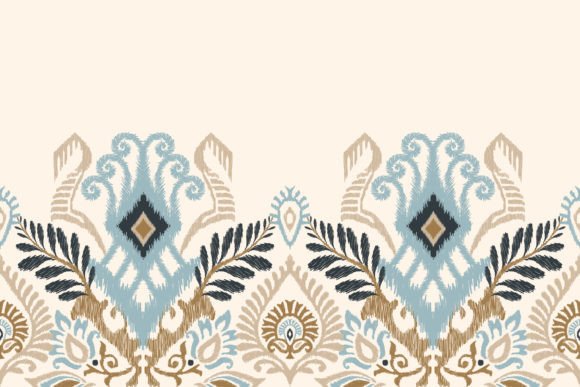
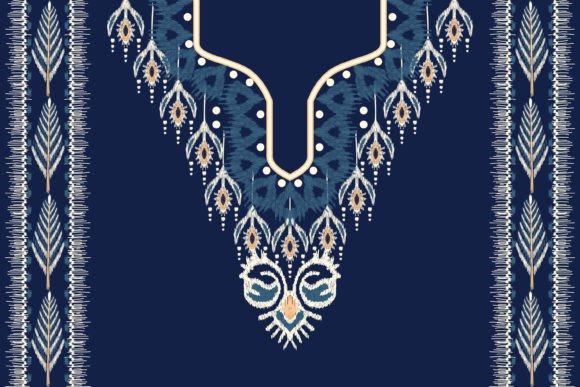
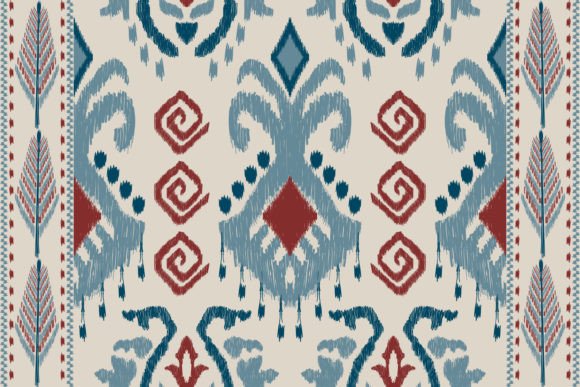
As an experienced embroidery designer who spends weekends setting up booths at local craft fairs and managing a busy handmade shop, I know that the difference between a product that sits on a table and one that flies off the shelf often comes down to the design itself. Today, I am reviewing Ikat Hipster Paisley Embroidery, a graphic asset described as featuring floral paisley elements on a gray background with geometric ethnic and oriental patterns. This review focuses on how this specific piece translates from a digital file into a tangible, high-value handmade product for your customers.
First Impressions: The Vibe Check
When you first look at Ikat Hipster Paisley Embroidery, the name alone suggests a fascinating clash of eras. "Ikat" implies traditional weaving techniques and organic, blurred edges, while "Hipster" signals a modern, trendy aesthetic. The description mentions "Aztec style abstract vector illustration," which adds a layer of bold, geometric structure. For a booth display, this combination feels premium yet accessible. It is not merely decorative; it carries a narrative of cultural fusion.
In a sea of generic floral or minimalist designs, this pattern stands out because of its complexity. It feels both rustic and sophisticated. When applied to items like tote bags or aprons, it moves beyond simple decoration to become a statement piece. The "gray background" mentioned in the description is crucial here; it suggests a neutral base that allows the thread colors to pop without clashing with the fabric color, making it highly versatile for various cotton fabric texture choices.
Product Potential: Where This Design Shines
To maximize sales at a craft fair, you need designs that work across multiple product categories. Ikat Hipster Paisley Embroidery is incredibly adaptable. Here is how I see it performing on key items:
- Tote Bag Design: This is perhaps the strongest application. The geometric and ethnic nature of the pattern works beautifully as a large focal point on the front of a canvas tote. Customers love unique bags that don't look mass-produced. The "hipster" element appeals to the urban shopper looking for something artistic.
- Apron Embroidery: For kitchen-focused vendors, placing this design on the bib of an apron creates a stunning visual anchor. The "traditional" and "oriental pattern" aspects give it an artisanal feel that justifies a higher price point compared to plain aprons.
- Tea Towel Embroidery: The intricate details of the paisley and Aztec motifs provide enough visual interest to make a standard tea towel a gift-worthy item. However, the placement matters here; it should be centered or used as a border to frame the design effectively.
- Embroidered Patch: If the design has clear boundaries, it could be produced as a detachable patch. These are hot sellers for DIYers who want to customize their own denim jackets or backpacks. The "abstract vector" quality ensures it looks crisp even when cut out.
- Pillow Covers and Market Bags: The repeatable nature of the pattern (if available) makes it ideal for larger surfaces like pillow covers. For market bags, the boldness of the design helps it catch the eye from a distance in a crowded aisle.
Photography and Online Listings
For Etsy sellers and online boutiques, the visual appeal of Ikat Hipster Paisley Embroidery is a major asset. Because the design features distinct geometric shapes and ethnic patterns, it photographs exceptionally well under natural light. When creating a printable mockup for your listings, the contrast between the design and a neutral gray or white background will make the image pop. It communicates "high quality" instantly, which is essential for converting browsers into buyers.
Production Realities: What You Need to Know
Before you start churning out hundreds of units, there are practical considerations for any machine embroidery design. The description notes "dense stitch areas" and "tiny details," which are red flags for production efficiency if not managed correctly.
If the design includes very small lettering or intricate lines within the paisley, you must test the stitch density. High-density areas can cause puckering, especially on lightweight fabrics like thin cotton tees or delicate scarves. For best results, I recommend using a heavier weight stabilizer, such as cut-away, to support the fabric and prevent distortion during the stitching process.
The "Aztec style" geometry might involve sharp angles. Ensure your hoop size is appropriate for the full dimension of the design. Trying to fit a large, complex pattern into a small hoop can result in misalignment or clipping. Conversely, if you plan to use this as a small accent, verify that the tiny details remain legible. Designs that lose clarity at smaller sizes are difficult to sell as pocket logos or cap patches.
Fabric and Thread Selection
The success of Ikat Hipster Paisley Embroidery relies heavily on thread contrast. Since the original graphic is on a gray background, you have flexibility, but for embroidery, you need to choose thread colors that complement the "ethnic" and "traditional" vibe. Earth tones like terracotta, mustard, and deep teal would enhance the Ikat feel, while bright neon threads might clash with the "traditional" aspect.
Avoid using this design on extremely textured towels or thick, fuzzy fabrics unless you are prepared for the needle to struggle. The definition of the geometric pattern may get lost in the pile of the fabric. Smooth, tightly woven cotton or linen blends are the safest bets for maintaining the crispness of the digital embroidery file.
Selling Strategy: From Booth to Buyer
When displaying finished products at a craft fair, the visual impact of Ikat Hipster Paisley Embroidery can drive engagement. Arrange your booth so that the tote bags and aprons are displayed on mannequins or hooks, allowing the full design to be seen. The "hipster" and "modern" keywords suggest a target audience that values uniqueness and storytelling. Use these words in your product tags and descriptions to connect with buyers looking for small shop products with character.
This design also offers excellent potential for batch production. If the pattern repeats seamlessly, you can create a cohesive collection of matching items—like a set of embroidered pouches, a scarf, and a pillow cover—that encourages customers to buy more than one item. Consistency in branding is key, and this design provides a strong visual identity for your commercial embroidery line.
Final Designer Notes and Pre-Flight Checklist
Before you commit to a full run of craft fair products, follow these essential steps to ensure quality:
- Test on Scrap Fabric: Always run a test stitch on the exact fabric type you plan to sell. Check for puckering and thread breaks.
- Check File Details: Verify the embroidery file format compatibility with your machine. Confirm the recommended hoop size and digitization settings.
- Review Stitch Density: Zoom in on the digital file. Are there areas where stitches overlap too much? Adjust the density if necessary to prevent bulkiness.
- Create a Real Mockup: Do not rely solely on digital images. Produce one physical sample to photograph and display. This proves the quality to yourself and your customers.
- Confirm Licensing: Before selling finished goods, double-check the commercial licensing terms included with the design assets. Ensure you are allowed to resell the physical items created with this pattern.
Ikat Hipster Paisley Embroidery is a robust choice for designers looking to add depth and character to their inventory. By understanding its strengths and respecting its technical requirements, you can transform this graphic into a best-selling finished product that customers will cherish. Whether it ends up on a tea towel or a stylish tote bag, this design has the potential to elevate your brand and capture the attention of discerning craft fair shoppers.