Oregon Home State Outline Embroidery Review
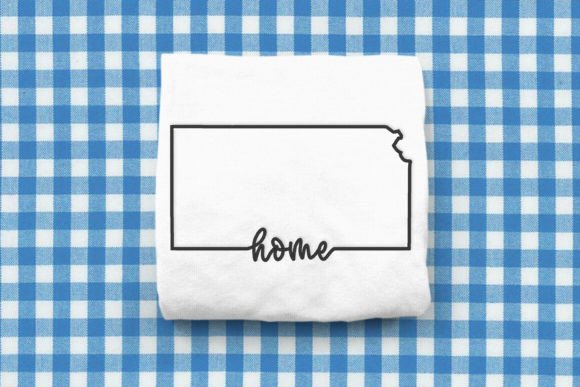
When I first opened the file for Oregon Home State Outline Embroidery, my immediate thought wasn't about the stitch count or the file format. It was about the feeling. There is a specific kind of warmth that comes from seeing a state outline stitched with the word "home" tucked right inside the borders. It feels less like a generic souvenir and more like a personal declaration. As someone who has spent years testing digital assets for real-world application, I am constantly looking for designs that bridge the gap between a simple graphic and a tangible piece of art. This design manages to do exactly that.
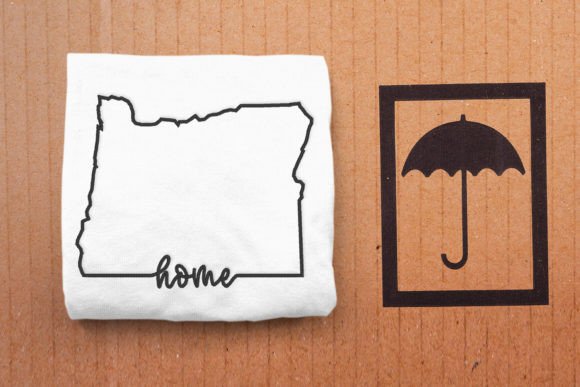
The visual personality of this project is clean, modern, and inviting. The silhouette of Oregon is instantly recognizable, but the incorporation of the word "home" changes the entire narrative. It transforms a geographical shape into an emotional anchor. For designers working on custom apparel or boutique merchandise, this mood is gold. It suggests a product that belongs in a cozy living room, a local coffee shop, or a family heirloom box rather than a mass-market discount rack. The layout is balanced, allowing the eye to travel naturally from the distinct western border down to the text, creating a sense of flow that often gets lost in more cluttered state outlines.
I recently put this machine embroidery design to the test during a busy holiday season prep for a small Etsy shop. The goal was to create a line of personalized gifts for families who had moved away from the Pacific Northwest but still carried a deep connection to their roots. I selected a high-quality cotton canvas tote bag as the base. The moment I started the stitching process, I noticed how well the lines held up. The satin stitch used for the outer border was crisp, defining the rugged coastline without any fraying or gaps. Inside, the lettering sat perfectly within the negative space, proving that the spacing was calculated with precision.
The result on the finished tote was striking. Customers didn't just see a picture; they felt the texture of the thread against the fabric. When I showed mockups to potential buyers, the reaction was consistent: "It looks like something my mom would wear." That is the highest compliment a designer can receive. It speaks to the embroidery project's ability to evoke nostalgia and pride. Whether it is being applied to a baby onesie, a heavy-duty apron, or a kitchen towel, the design carries a weight of authenticity that printed graphics simply cannot match. It signals quality to the buyer before they even read the product description.
However, not every surface is created equal, and Oregon Home State Outline Embroidery requires a strategic approach depending on where you plan to apply it. While it shines on stable fabrics like denim, canvas, and twill, there are areas where caution is necessary. If you are planning to use this on a stretchy knit fabric like a standard t-shirt, you must be vigilant about your stabilizer choice. Without a strong cut-away backing, the tension of the stitches could cause the fabric to pucker, ruining the clean lines of the state outline. Similarly, on textured fabrics like bouclé or heavy wool, the fine details of the lettering might get lost in the weave. In those cases, the design works best when paired with a solid background patch or applique technique to ensure clarity.
For small business owners and Etsy sellers, understanding the limitations of the design is just as important as knowing its strengths. If you are producing embroidered patches using this file, remember that the sharp corners of the Oregon map need a sufficient margin. Trying to fit this into a tiny hoop size can sometimes lead to thread breaks or incomplete fills at the edges. Always check the hoop size requirements before committing to a production run. Additionally, if you are targeting dark fabrics, you will need to consider underlay stitches carefully. A light-colored thread on a black sweatshirt might require a dense underlay to prevent the fabric color from bleeding through the satin stitches, which could dull the visual appeal of the "home" text.
The versatility of this asset extends beyond physical goods. Digital creators selling printable mockups or design assets will find this highly valuable. The clean vector-like feel of the final stitched image translates beautifully into digital previews. You can easily visualize how a client's name might be added above or below the outline, making it a perfect candidate for personalized gift listings. The design acts as a strong brand element for boutique shops focusing on regional pride. It builds trust because it looks professional and deliberate, not rushed or amateurish.
From a technical standpoint, the stitch density appears well-balanced. It is not so heavy that it creates a stiff, board-like feel on the garment, nor is it so sparse that it lacks definition. This balance is crucial for items that need to remain soft and comfortable, such as baby clothes or pillow covers. When reviewing the fill stitch areas, one can appreciate the directionality chosen by the artist, which adds depth and dimension to the flat outline. This attention to detail elevates the perceived value of the finished product, allowing you to command a higher price point for your handmade items.
Before you dive into production, there are a few practical steps every experienced designer should take. First, always test the design on scrap fabric that matches your intended project material. This allows you to adjust thread tensions and stabilize appropriately. Check the thread colors in your library; while the design likely defaults to a standard palette, swapping out the thread for a metallic or variegated option could completely change the vibe of the piece. Also, inspect the small details closely. Sometimes, files imported from different software versions can shift slightly, causing letters to overlap or borders to thin out. Running a quick printout or checking the file in your machine's preview window is a smart move.
Furthermore, confirm the licensing terms before using this for commercial purposes. Many digital embroidery files come with restrictions on how many units you can sell or whether you can modify the design. Ensuring you have the rights to sell finished items made with Oregon Home State Outline Embroidery protects your craft business from legal issues down the line. If you are unsure, reach out to the creator or check the documentation provided with the download.
In conclusion, this design is a standout choice for anyone looking to add a touch of regional pride to their portfolio. It strikes a perfect chord between simplicity and sentimentality. Whether you are crafting a single custom hat for a friend or building a catalog of small shop products for a national audience, this piece offers reliability and style. It reminds us that the best embroidery isn't just about complex patterns; it's about telling a story that resonates with the heart. For the maker who values quality and emotional connection, Oregon Home State Outline Embroidery is a tool worth having in the toolkit.