Witch Hat Applique Embroidery Design Review
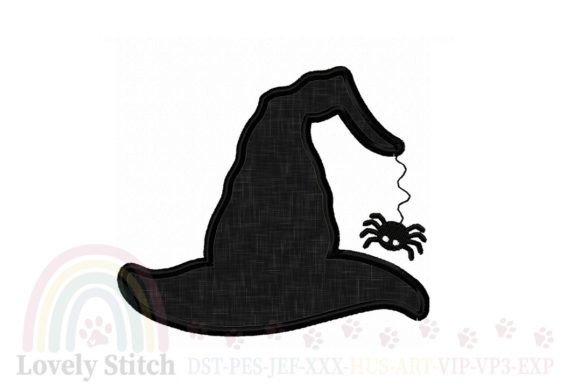
As an experienced embroidery designer who spends weekends setting up booths at local craft fairs, I know that the difference between a design that sits on a shelf and one that sells out in minutes often comes down to visual impact and production practicality. Today, I am reviewing the Witch Hat Applique Embroidery Design, specifically looking at how this piece fits into a lineup of Halloween products for handmade markets. The product description promises to "add a touch of spooky elegance" with a classic witch hat featuring a spider. This sounds promising, but as a professional, I need to dig deeper into how it performs in the real world before I commit to a batch run.
First Impressions: Spooky Elegance Meets Market Appeal
The initial read of the title and description suggests a design that leans towards a sophisticated rather than cartoony aesthetic. The phrase "spooky elegance" is a powerful selling point for boutique makers and Etsy sellers targeting a slightly more mature demographic than the typical child-focused Halloween crowd. When you see "applique," your mind immediately goes to texture and dimension. In a sea of flat satin stitch designs, an applique element offers a tactile quality that customers love to touch while browsing a craft fair table.
This design feels like it belongs in a modern farmhouse or rustic chic collection. It isn't just a simple outline; the inclusion of a spider adds a playful yet eerie focal point. For a booth display, this level of detail helps the product stand out against simpler, mass-produced items. It signals "handmade quality" instantly, which is crucial for justifying higher price points on craft fair products.
Product Versatility: Where Will It Shine?
When planning my weekend booth, I evaluate every embroidery file based on its versatility. A single design that can be applied to five different items is worth far more than five designs that only work on one. Here is how the Witch Hat Applique Embroidery Design translates across various potential merchandise:
- Tote Bag Design: This is the highest potential item. An applique witch hat on a canvas tote bag creates a bold statement piece. The texture of the fabric complements the applique technique perfectly. It photographs exceptionally well for Etsy listings and social media marketing.
- Apron Embroidery: For kitchen-themed gift shops, placing this design on a linen apron adds a festive touch. The applique adds durability to the high-wear area of the chest, making it a practical small shop product.
- Tea Towel Embroidery: Holiday kitchen textiles are huge sellers in Q4. A witch hat design on a flour sack towel offers a great contrast if done on dark fabric with light thread, or vice versa. However, one must be careful with the stitch density on thinner towels.
- Embroidered Patch: If the design includes a clean border, it could be cut out and sewn onto denim jackets or beanies. This expands the reach to fashion-forward buyers who want to add a unique flair to their wardrobe.
- Fabric Pouches and Pillow Covers: These make excellent low-cost impulse buys at a craft fair. A small pouch with the hat and spider makes a perfect gift for teachers or neighbors during October.
Production Practicality and Batch Efficiency
For a commercial embroidery business, time is money. I need to know if this design will clog my workflow or streamline it. The mention of "applique" implies multiple steps: hooping, stitching the base, cutting the fabric, positioning the patch, and stitching the edges. While this takes longer than a standard fill stitch, the perceived value is significantly higher. Customers are willing to pay more for the extra labor involved in applique.
The design should be evaluated for repeatability. Can I stack these quickly? Is the digitizing efficient enough to prevent excessive jump stitches? If the design is too complex, it might slow down production too much for a high-volume event. However, if the layout allows for efficient nesting in the hoop, it could be a profitable centerpiece for my commercial embroidery catalog.
Photography and Visual Selling Points
In the digital age, your printable mockup is often the first interaction a customer has with your product. The Witch Hat Applique Embroidery Design needs to photograph well to drive online sales. Applique catches light differently than thread alone, creating shadows and highlights that add depth to photos. This is a major advantage for digital sellers creating listing images.
At a physical booth, the 3D nature of the applique draws the eye from across the room. It breaks the monotony of flat printed goods. When customers lean in to inspect the spider detail, they engage with the product emotionally, increasing the likelihood of a purchase. This engagement is vital for brand consistency and building a reputation for high-quality handmade goods.
Critical Considerations and Potential Pitfalls
Even the best-looking design can fail if technical details are overlooked. Before I start producing inventory, I have several notes regarding the execution of this machine embroidery design:
- Stitch Density and Fabric Texture: Applique designs often require dense underlay to keep the fabric stable. On thick fabrics like heavy canvas, this works beautifully. However, on textured tea towels or thin cottons, the tension might pucker the material. I must test this on scrap fabric first to ensure the finish remains crisp.
- Hoop Size Constraints: The size of the design relative to the hoop size is critical. If the design is too large, it may not fit on standard caps or small pouches without distorting the shape. I need to confirm the exact dimensions to plan my product mix accurately.
- Thread Contrast: The description mentions a spider. Tiny details like legs can get lost if the thread color blends too closely with the background. High contrast is essential for visibility, especially when viewed from a distance at a busy market.
- Dark Fabric Challenges: If I plan to use dark backgrounds (like black canvas), I need to ensure the stabilizer choice prevents the fabric from shifting. Dark fabrics also hide the fine details of the applique edge if the thread isn't chosen carefully.
Final Verdict for Craft Fair Sellers
The Witch Hat Applique Embroidery Design shows immense potential as a flagship item for Halloween season. Its blend of "spooky elegance" aligns perfectly with current trends in handmade decor and fashion. The applique element elevates the perceived value, allowing me to position these items as premium goods rather than budget-friendly novelties.
Before hitting the "start" button on my machine, I advise all fellow embroidery designers and entrepreneurs to strictly follow these steps: test the design on scrap fabric, check thread contrast against your chosen materials, review spacing to ensure no elements are too close to the edge, and confirm commercial licensing terms. Once these checks are passed, this design could become a top-selling asset in your design assets library.
If you are looking to expand your freebies into paid collections or simply want to refresh your craft fair booth with something fresh, this design is a strong candidate. It balances artistic charm with production viability, offering a solid foundation for creating memorable finished products that customers will cherish long after the holiday passes.