Nina Embroidery File: A Designer's Review for Small Business Merch
As an experienced embroidery designer who has spent years refining designs for commercial use, I approach every new embroidery file with a critical eye. When evaluating the Nina Embroidery File, my focus isn't just on how pretty it looks on a screen, but how it performs in the real world of small business merchandise. This review breaks down the design's potential for branded patches, staff uniforms, and product labels, specifically looking at its viability for Mother-themed collections or general family-oriented branding.
First Impressions: Personality and Professionalism
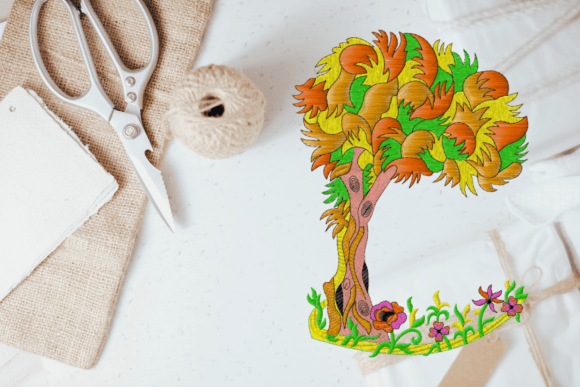
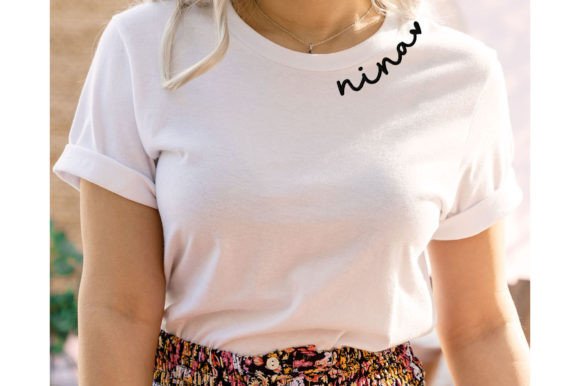
The moment you load the Nina Embroidery File, the design communicates a specific vibe. Based on the title and description, this piece feels warm, personal, and distinctly handmade. It avoids the cold, sterile look of corporate vector graphics, opting instead for a style that suggests care and attention to detail. For a small business owner selling handmade products, this is crucial. The design strikes a balance between being friendly and maintaining a level of professionalism required for customer trust.
It does not scream "loud" or "aggressive." Instead, it offers a subtle elegance that works well for brands focusing on lifestyle, wellness, or family. Whether you are running a boutique, a bakery, or a creative studio, the Nina Embroidery File provides a visual anchor that feels authentic. It is the kind of design that makes a customer pause and appreciate the craftsmanship before they even touch the item.
Real-World Application: From Totes to Staff Uniforms
In my experience, the true test of any machine embroidery design is its versatility across different mediums. The description notes that this file is perfect for sweaters, bags, towels, and hats. Let's translate that into practical business scenarios.
- Tote Bag Design: For Etsy sellers or crafters, a tote bag is often the first branded item customers see. The Nina Embroidery File works beautifully as a chest logo accent or a central motif on canvas totes. Its clean lines ensure it remains legible even when the bag is folded or stuffed.
- Caps and Headwear: Cap embroidery requires precision. If the design features appropriate spacing, it can serve as a standout mark on baseball caps or beanies. However, the curvature of the cap means you must be mindful of how the stitches lay on a rounded surface.
- Apron Embroidery: For bakeries, florists, or coffee shops, aprons are essential work shirts. Placing the Nina Embroidery File on the bib or pocket area adds a personalized touch that elevates the perceived value of the uniform. It signals to customers that the staff takes pride in their appearance.
- Product Packaging Accents: Beyond apparel, this digital embroidery file can be used on tags attached to finished goods. A small embroidered label on a handmade sweater or a towel creates a premium unboxing experience that encourages repeat purchases.
Strategic Limitations and Risk Management
While the Nina Embroidery File is versatile, no single design fits every scenario without modification. As a designer, I always advise caution in specific areas where technical limitations could hurt your brand identity.
- Small Patch Sizes: If you intend to create a custom embroidered patch using this design, you must verify the stitch density. Designs with fine details often lose definition when scaled down below one inch. Always test the design at your intended final size before mass production.
- Curved Surfaces: Embroidering on the front of a cap or a curved hat brim presents challenges. If the design contains tiny lettering or intricate outlines, the fabric distortion might make it unreadable. Simplify the design if necessary.
- Fabric Texture and Color: The description explicitly states this is not an iron-on or patch. It is a direct machine embroidery file. On dark uniforms or highly textured fabrics like heavy wool, the thread colors may not pop as intended. You may need to adjust the thread palette or add a background underlay to ensure visibility.
- High Stitch Density: Dense stitching can cause puckering on lightweight materials like thin cotton t-shirts or delicate linens. Ensure your stabilizer choice matches the weight of the fabric to maintain the integrity of the finished product.
Impact on Brand Identity and Customer Trust
Every element of your merchandise contributes to your brand identity. A poorly executed embroidery job can signal low quality, whereas a well-executed design builds confidence. The Nina Embroidery File, when applied correctly, enhances the perception of your business as a maker of high-quality, thoughtful goods.
When a customer sees a crisp, professional logo on a tote bag or a neatly stitched emblem on a cap, it validates their purchase. It tells them that you care about the details. This visual consistency is vital for recognition. Whether the item is a gift for a client or a uniform for your team, the design acts as a silent ambassador for your company. It transforms a generic commodity into a branded asset.
Practical Designer Notes for Production
Before you hit the start button on your embroidery machine, follow these steps to ensure the Nina Embroidery File delivers the best results for your commercial projects.
Test First, Then Scale: Never run a full production batch without a test. Create a printable mockup to visualize the placement, then stitch a sample on scrap fabric. Check the thread color contrast against your actual product material. Does the design stand out, or does it blend in too much?
Check Technical Specs: While the product description highlights the design's uses, it does not specify exact stitch counts, file formats, or recommended hoop sizes. You must check these details in your software before starting. Confirm the hoop size needed for the design dimensions to avoid errors during digitizing.
Stabilizer Selection: The success of the embroidery often lies in what you cannot see. Use the proper stabilizer to prevent shifting and puckering. For items like towels or thick sweaters, a cut-away stabilizer is often necessary to support the heavy stitch count.
Licensing and Commercial Use: Since this is for small business merch, confirm your commercial licensing terms. Ensure you have the right to sell items featuring the Nina Embroidery File as part of your product line. Some designs are for personal use only, which would restrict your ability to use them on sold merchandise.
Inspect Spacing and Outlines: Look closely at the spacing between elements. Tight spacing can lead to thread breakage or a messy look on thicker fabrics. If the design includes detailed outlines, ensure they are wide enough to hold up to frequent washing.
Conclusion: A Solid Asset for Handmade Brands
The Nina Embroidery File represents a strong opportunity for small business owners looking to elevate their product presentation. Its friendly yet professional aesthetic makes it suitable for a wide range of applications, from apron embroidery in a café to branding on tote bag design projects for craft fairs. By understanding its strengths and respecting its technical limitations, you can integrate this design into your workflow to create cohesive, high-value branded assets.
Whether you are creating personalized gifts, staff uniforms, or unique accessories, taking the time to evaluate the design's performance ensures that your handmade product reflects the quality of your brand. With careful planning regarding thread colors, stabilizers, and placement, the Nina Embroidery File can become a cornerstone of your visual identity.